From wet to wetter!
Russia’s invasion of Ukraine unfortunately continues, but world markets have viewed the commodity trading risks involved as reducing. Even the recent Israeli invasion of the Hamas Palestinian Group in Gaza has done little to the fuel or energy costs. Diesel has settled around the 80p/L, coming from 60p in 2021 and £1.10 in 2022. Energy prices have also dropped to around 24p/kW, coming from 13p in 2021 and 85p in 2022. General inflation of other inputs seems to be around the 10% mark, which needs recovering in sale prices.
On farm the wet weather has dominated events. March, April, July, September, October and November have all beaten the 10 year average rainfall figure, with March (85mm) and April (76mm) and October (163mm) all being about double their 10 year average….and these are months when we need to be busy on the farm! Spring was late due to these wet, but also cold, conditions, with the potatoes taking 6-7 weeks to emerge, after an also later planting period. May & June were bright, warm and dry, and irrigation kept the crops going. From July it hasn’t stopped raining, and so irrigation stopped and wheat combining dragged on!
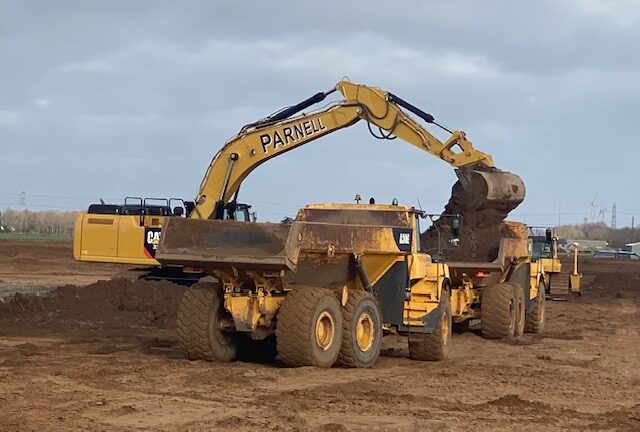
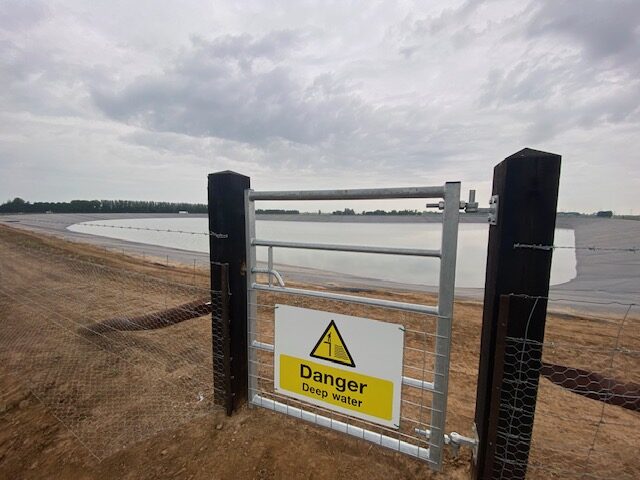
This year we had two major projects. A second reservoir at Ferry Farm was built this spring, taking up 3.5ha, and holding about 17m gallons or 35 Olympic swimming pools; this is filling up well and will give us future water security. Fenland Dog Park also opened to the public at the end of July, and has been a great success, as I will detail later.
Vining Peas
Our group drilling periods were a 1/3rd into the campaign and 2/3rds into the campaign. The earlier crop (4t/ha) suffered from cold and slow growing conditions and relentless pigeon attack, but we were not alone. The later crops performed better (6t/ha), but had some mixed in field maturity which lost a bit of yield. Overall GHH came 14th out of 49 growers, and came 3rd from the growers with more than 50ha.
Winter Wheat
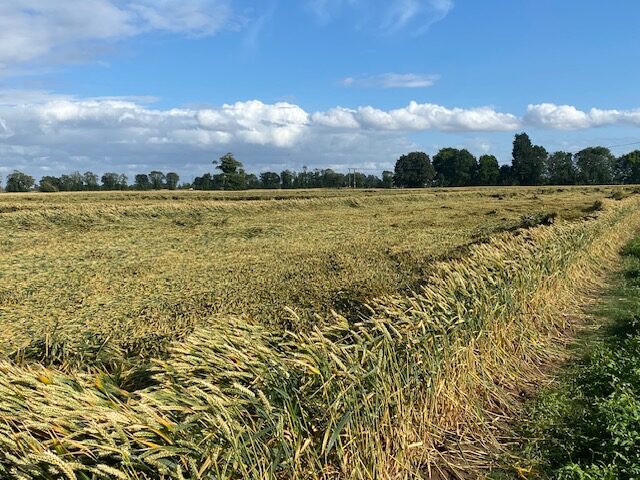
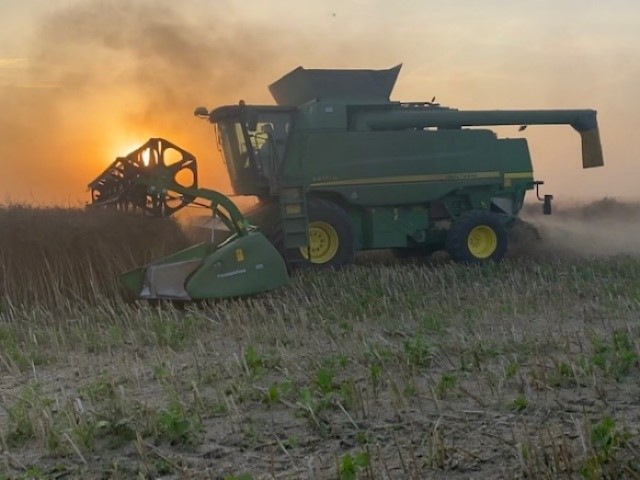
The wheats came out of the relatively mild winter looking forward and full of potential. The wet spring gave an increased disease risk, so more was spent on control than recent years. With poor sunlight in the grain site and grain filling period between May and July then yields looked like they were going to be down. A very wet and windy weekend in the middle of July flattened x2 varieties which never recovered. Harvest started on 29th July and finished on 31st August, spanning 33 days, with combining on just 10 of those due to rain. Average yield was a good 11.8t/ha (4.8t/ac), just above budget, with varieties Graham & Dawsum yielding well.
With good growing conditions in Russia and Australia mainly, the wheat market dropped to about £180/t (2022 was £250-£300/t).
Mustard
This was our first season of growing a proportion of a new over winter variety called Guthrie, in addition to our usual spring sown crop. The Guthrie crop survived well over winter, but the pigeons continually attacked it in the cold slow growing spring period. The Spring sown crop was also slow to emerge and get away. By mid-summer the Guthrie crops looked to have better yield potential in comparison to the Spring crops. Harvest yields were 1.58t/ha for the Guthrie (worse than expected) and 1.52t/ha for the Spring (better than expected).
Potatoes
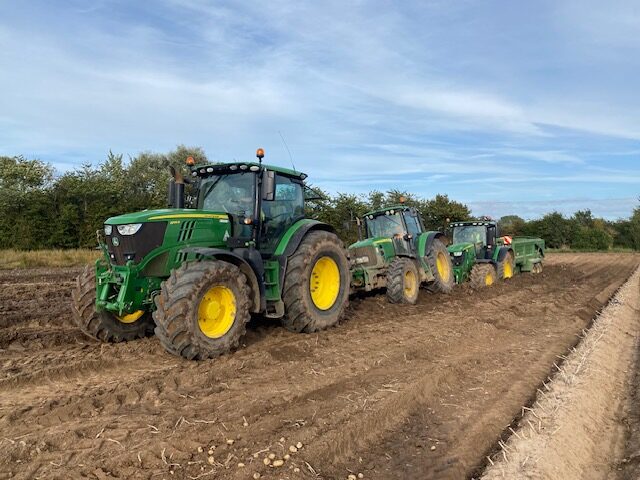
We had reduced our area by 40% this year due to conditions at the time of planning and ordering seed of world uncertainty and electricity prices. Planting was later, but into moist ridges, and the crops got away slowly but well. Irrigation during the odd dryer periods in May and June maintained tuber numbers on the roots, and the rainfall did the rest, with no irrigation in the summer months at all! Disease risk, blight, was higher due to the rainfall. The potatoes were taking longer to get to optimum marketable size, but with less area to harvest we risked letting them grown on and only started harvest on 25th September, 2 weeks later than usual. We had some wet lifting conditions in October, but got finished just before the massive 52mm rainfall event on 20th October. Yields are pleasing for Maris Piper at 21 box/ac (54t/ha) and OK for Lanorma at 20 box / ac (51t/ha). With just 30% of our Piper and 40% of our Lanorma on contracted prices, we hope to gain on the rest from excellent strengthening market prices.
Sugarbeet
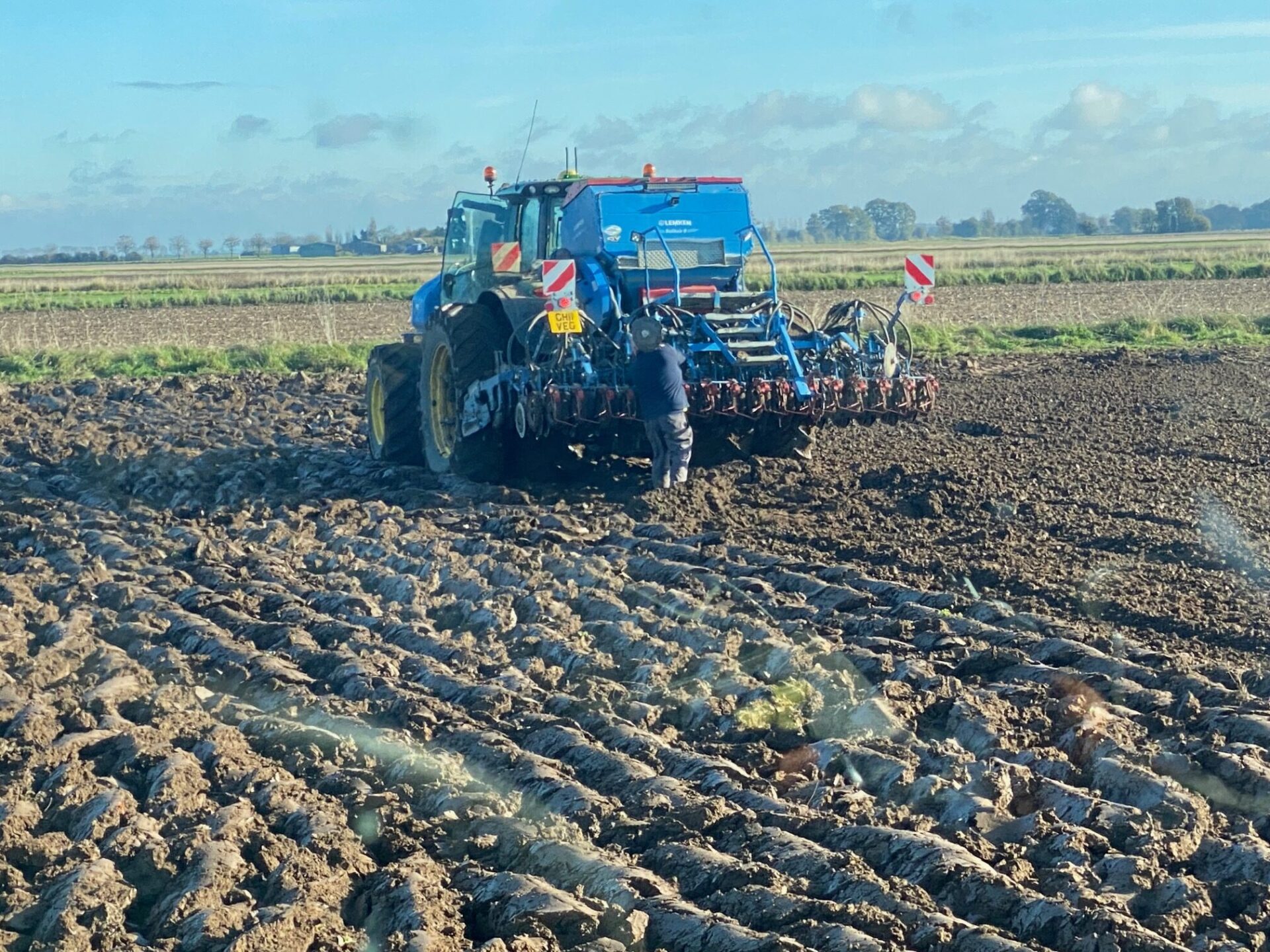
The sugarbeet crop has enjoyed the growy weather, and had looked green and lush all year. Timely fungicide sprays have kept disease at bay, and root size looked good. The Newton fields did well at 85t/ha (N4) and 83t/ha (N8), even with sugars below 16%. With a small dryer weather window at the end of November we took the decision to lift the December planned beet early, so we could plough and combi drill the land with wheat before the next deluge of rain. That crop will go into the factory at the end of December, and I anticipate / hope that it will be 85-90t/ha.
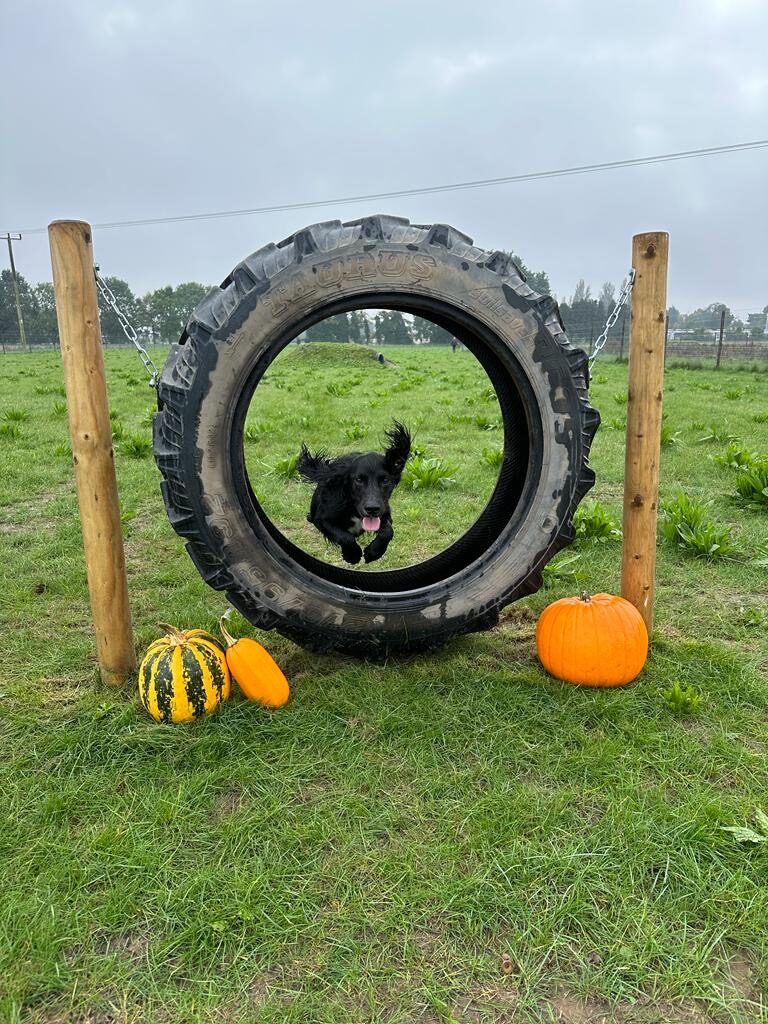
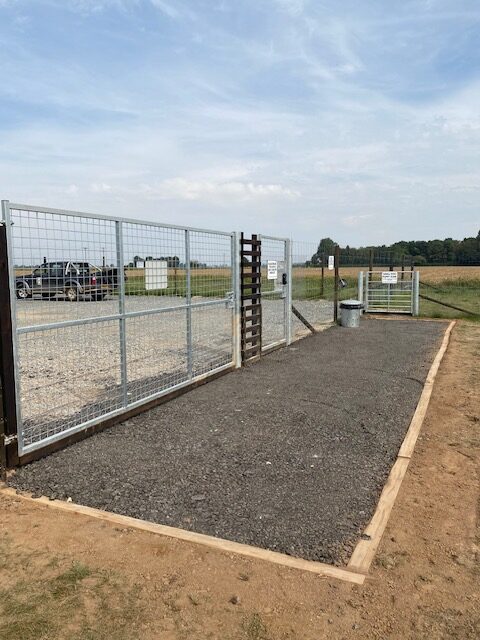
Fenland Dog Park
The dog park opened at the end of July, and has been busier with booked slots than expected which is great news. We have had over 330 different users at the park, with an average of 6 booked slots (50 mins) per day, with weekends always fully booked. Booking numbers will drop as weather deteriorates and day length gets shorter. We are learning and improving on how we deal with our customers, and our social media presence is important. Facebook seems to be the social media platform where the majority of our clients engage with, and we currently have over 500 followers, and 100% 5 star reviews. In the run up to Christmas we will be giving away some dog treats, and advertise this on Facebook and Instagram to try and keep bookings ticking over during the colder and darker days.